Stranded Deep 2 Crafting and Materials
Physical parts, found resources, and a building system the studio already calls 2.0.
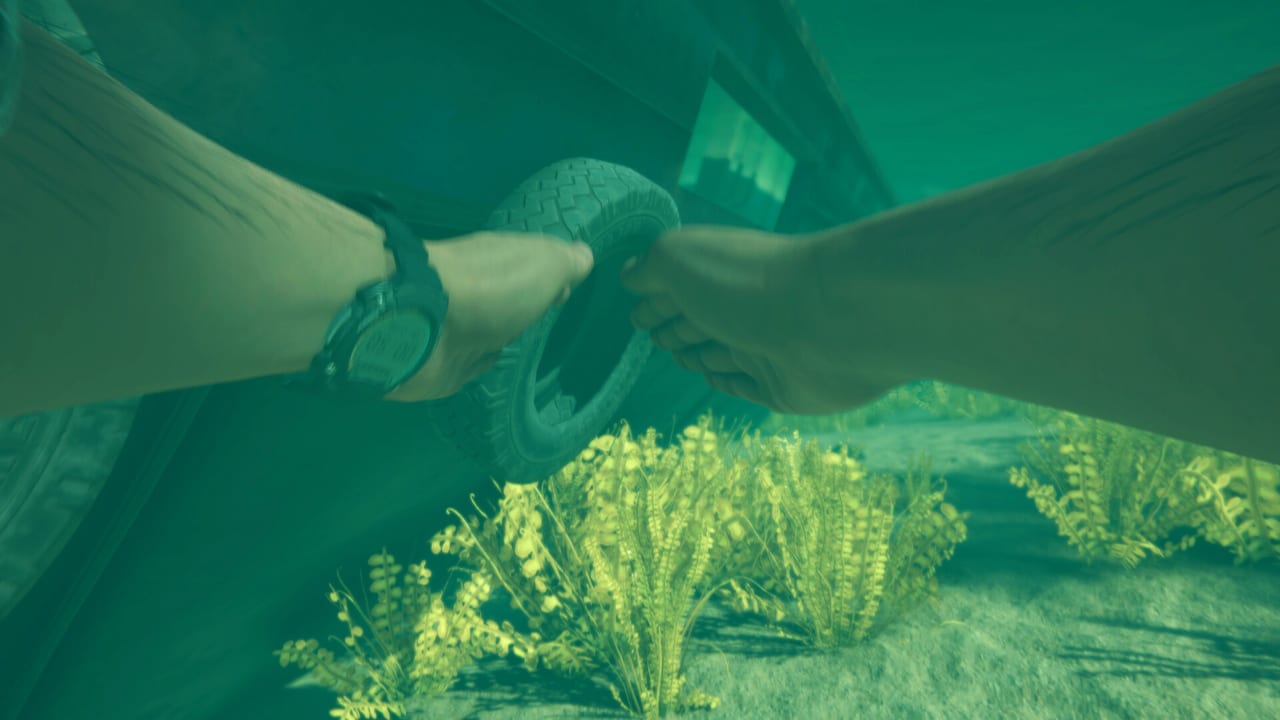
The first Stranded Deep taught you a small grammar of sticks, lashings, and salvage. Stranded Deep 2 is rewriting that grammar on purpose. Steam says everything you make is shaped by the resources you find: you choose materials for each part of a tool and the same logic applies to structures. The June 2025 New Depths blog named a “dynamic crafting system” still being prototyped. Czech Mates later showed raft frames and structure experiments. This page is the crafting primer without a fake recipe table.
Pair it with floating-home building for camps that move, how to survive for why you craft at all, and river exploration for where the junk actually sits.
What is confirmed
Confirmed on Steam: material choice per tool part and per structure piece; upgrades as you find better stuff; a world that reacts when you dig and redirect water. Confirmed in New Depths: a new dynamic crafting loop that already produced an “OK, that’s cool” reaction in an internal prototype, plus the first internal drop of Building 2.0. Confirmed in Czech Mates: two approaches to structure building were in debate, raft prototypes existed, and primitive-to-polished was a design axis. Confirmed in New Ground: you can pack a home and take it downriver.
Not confirmed: a public crafting grid, durability numbers, which wood beats which bone, or whether a hippo hide is even a material. Do not print a Google Sheet of spear heads. Early Access will invent that spreadsheet for you.
Physical parts instead of a skill tree
The sequel’s pitch is that a spear is not a single icon. It is a head, a shaft, a lashing, each advertising where you have been. A roof beam can do the same. That is why inland detours exist. Biome priorities and wildlife threat tiers are the risk table for those detours. Better parts live farther from the easy river, according to Edwards. Crafting is travel with extra steps.
Until the UI exists, gather with intent:
- Riverside wrecks, vehicles, and abandoned structures are the named salvage language. A tyre underwater is not a meme; it is a part.
- Sand, cane, and timber will look different in canyons versus prairies. Treat biomes as palettes, not just postcards.
- Do not hoard unique pieces on a craft you cannot retrieve. If the floating home can sink, the loot can too.
- Terrain edits are a crafting tool. Redirecting a channel can protect a dock or starve a bank. It is also loud. Animals notice water that moves.
Building 2.0 is not island spam
New Depths said the team worked through many building versions and that the internal drop felt like “the one.” Czech Mates showed the argument between structure philosophies and early rafts. The Steam sentence that matters is still “build a home, take it with you.” If Building 2.0 cannot pack up, it failed the sequel’s own slogan.
Practical launch-week order, still valid:
- Scout in the yellow kayak. Crafting without travel is how you marry a crocodile commute.
- Make the smallest kit that fills survival holes: water, shade, a sleep spot, a way to cook.
- Convert salvage into a towable floor. Keep the profile low through rapids.
- Upgrade parts as better materials appear. Do not rebuild the palace every bend.
- Re-evaluate the bank with the wildlife page before you plant a station you cannot move.
Dynamic crafting, still a prototype
Edwards’ June 2025 language is useful because it is humble. They knew what they wanted. They were still exploring how to make it fun. That is not a finished system. It is a warning that Early Access will shuffle the loop. Early Access exists so you buy that shuffle on purpose.
Art direction feeds crafting more than people think. Stranded in Style describes stylized-realism props and greyboxes placed in the world to feel size and volume before production models. A blockout fish is not a recipe. It is proof the studio cares how a crafted world looks in the hand.
Co-op will split jobs if a second player exists: one watches the bank, one lashes the beam. Player count is unpublished. Design benches as if a partner might appear, not as if eight people will.
How this wiki will grow the list
When a blog names a material, it gets a row here. When Steam ships a crafting screen, screenshots go in the middle of this article, not a dump at the end. Until then, the honest crafting guide is a method: salvage, choose a part, leave before the food chain files a complaint. For the rest of the on-ramp, return to getting started and the guides hub.
Frequently Asked Questions
Quick answers to the most common questions.
Are Stranded Deep 2 crafting recipes public?
No. Steam confirms material-per-part tools and structures. Exact lists wait for Early Access.
What is Building 2.0?
Sam Edwards’ internal name from the New Depths blog for a building iteration that felt like the keeper. See also floating homes.
Does crafting use a skill tree?
Official text describes physical parts and found materials, not an XP tree. That can still change in Early Access.
Where do I find better materials?
Official blogs say rarer rewards sit farther from the main river. Prep with river exploration.
Will co-op share a crafting bench?
Unknown. Co-op is first-class without inventory rules yet.